
5 Simple Swaps for a Single-Use Plastic-Free Kitchen in Nairobi
Practical, accessible replacements rooted in traditional East African market culture.

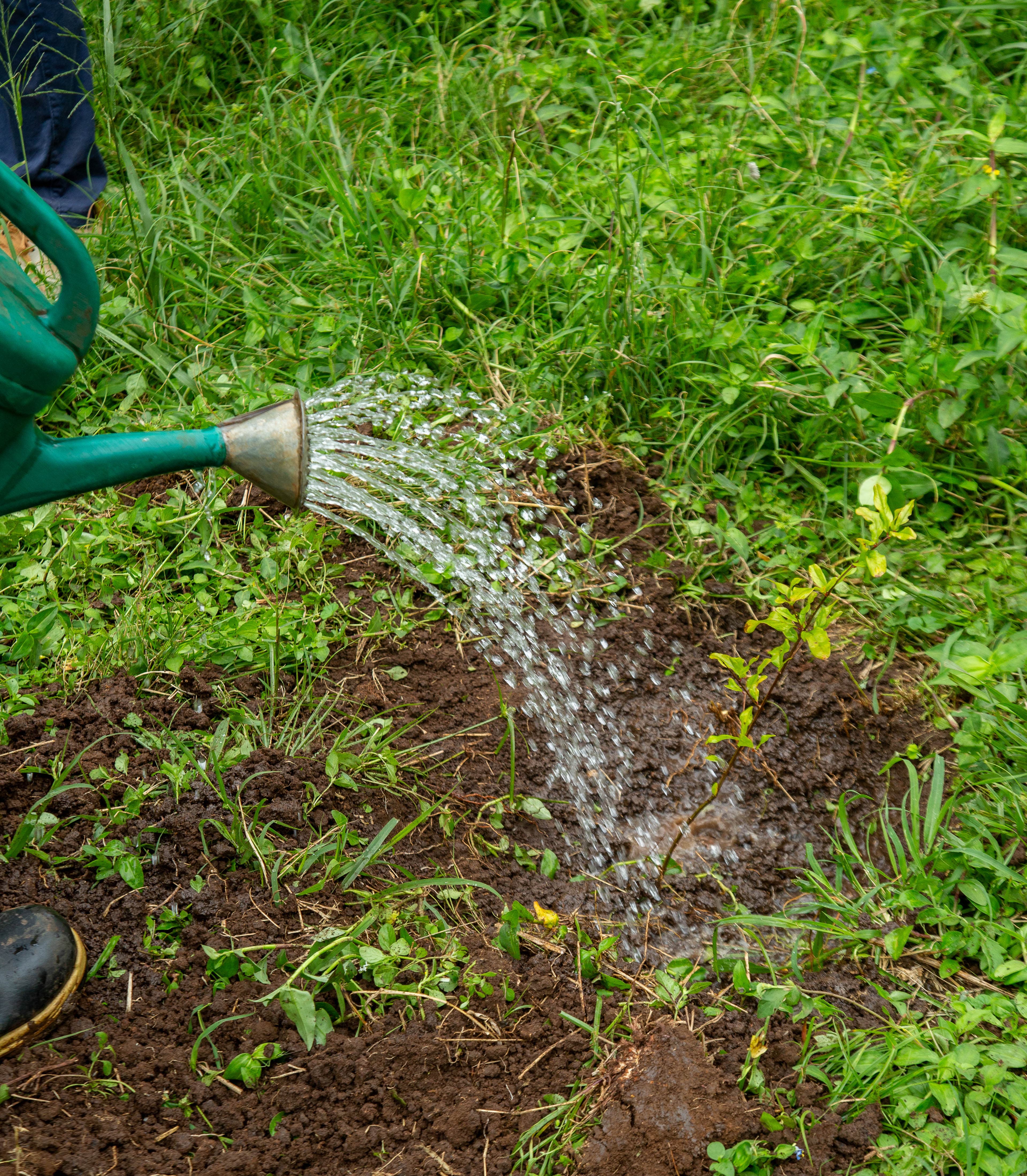
Photo: Watering seedlings with organic, plastic-free tools in fertile soil
Walking through City Market or Toi Market, it is easy to accumulate dozens of lightweight plastic bags in under twenty minutes. Yet our grandparents preserved herbs, stored flours, and transported produce for generations with zero non-biodegradable waste. Here are five low-friction swaps you can make in your Nairobi kitchen today.
1. The Handwoven Sisal Kiondo
Sisal fibers from Machakos and Kitui are naturally tensile, anti-microbial, and washable. A single medium-sized kiondo replaces up to 300 polythene market bags every single year and supports local artisan women weavers directly.
2. Upcycled Glass Jars for Bulk Grains
Instead of buying packaged rice and lentils in throwaway poly wraps, buy in bulk from local grain millers. Clean pasta and jam jars provide airtight, pest-proof storage that looks timeless on open pantry shelves.
3. Local Beeswax Wraps over Cling Film
Made from organic cotton scraps infused with Baringo beeswax and jojoba oil, these flexible wraps mold over cut avocado, half melons, and dough bowls using the warmth of your fingers. Rinse with cool water, air dry, and reuse for 12 months.
4. Stainless Steel Countertop Scraps Caddy
Tossing potato peels and tea leaves directly into general trash causes anaerobic decay and sour smells. Keep a compact, ventilated stainless steel bucket next to your cutting board to feed your balcony compost.
5. Natural Loofah (Luffa) Dish Sponges
Synthetic yellow-and-green scouring pads shed microplastics into municipal water systems with every wash. Dried luffa gourds—grown readily across Murang’a and Kiambu—offer scrub power on cast iron without leaving persistent microplastics behind. Once worn down, simply toss them into the soil.
Sidney Nyokabi
Founder & Practical Minimalist at Green Habits Project. Committed to field-tested regenerative practices, community forest restoration, and circular living.
Beyond Clean-Ups: What It Would Take to Restore Our Ecosystems — The Nairobi River Case Study
One chilly Saturday morning at John Michuki Memorial Park, volunteers gathered to clean the Nairobi River. But beneath the bags of collected plastics lies an uncomfortable truth: clean-ups alone will never restore an ecosystem without structural accountability.
Have a local environmental habit or cleanup story to share?
We regularly amplify citizen scientists, balcony composters, student nurseries, and neighborhood cleanup crews across Kenya. If your community is getting its hands in the soil, we want to publish your field notes.