
Highlights from the Karura Forest Volunteer Tree Drive: 100 Saplings, One Soil
How community-led micro-reforestation drives create enduring microclimates in urban Nairobi.

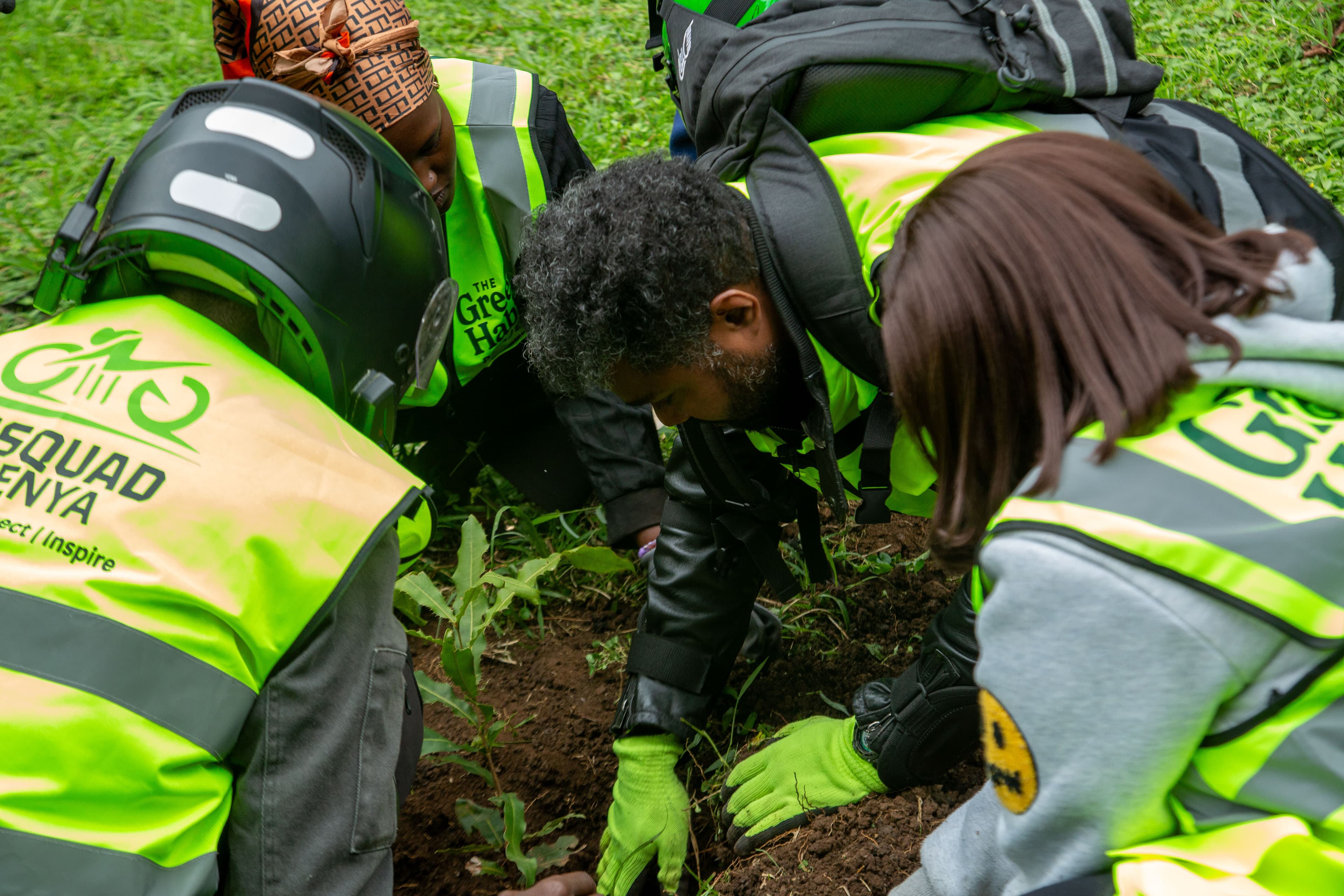
Photo: Green Habits community volunteers planting indigenous saplings at Karura Forest, Nairobi
At 7:30 AM in Nairobi, the mist hangs low over the eucalyptus and indigenous canopy of Karura Forest. Forty-two pairs of rubber boots gathered by Gate C with mattocks, compost sacks, and 100 carefully nurtured indigenous saplings. What unfolded over the next four hours was proof that authentic ecological stewardship begins with collective, physical communion with the soil.
Why Indigenous Species Matter for Urban Canopies
In many urban reforestation drives, fast-growing exotic trees like blue gum eucalyptus or cypress are chosen for quick photographic vanity. However, these species deplete water tables and fail to nourish local bird and pollinator populations. For our weekend drive, we partnered with local silvicultural nurseries to source exclusively native species:
- Croton megalocarpus: A hardy, fast-growing pioneer tree that restores nitrogen and withstands drought.
- Warburgia ugandensis (East African Greenheart): Renowned for medicinal roots and exceptional soil retention properties.
- Markhamia lutea: A golden-flowered shade tree that attracts endemic bee species and birds.
“Planting a tree is not a one-hour publicity stunt; it is an adoption agreement. The real labor is mulching, watering through the first dry spell, and guaranteeing a 90% survival rate.”
— Sidney Nyokabi, Founder & Field CoordinatorThe Soil Protocol: Mulch Over Magic
Every hole was dug to a depth of 60 centimeters, backfilled with rich organic compost sourced from local household food waste, and heavily mulched with dried leaves collected along the forest trails. Mulch reduces soil moisture evaporation by up to 65% in dry Nairobi spells, providing a cool shelter for beneficial earthworms and mycorrhizal fungi.
By noon, all 100 seedlings were staked, mulched, and tagged. As the team shared thermos tea and fresh bananas, volunteers signed up for the bi-weekly watering roster through October. Sustainable change is not a heroic lightning strike—it is ordinary people choosing to check on a young sapling every Tuesday.
Sidney Nyokabi & The Fieldwork Team
Founder & Community Lead at Green Habits Project. Committed to field-tested regenerative practices, community forest restoration, and circular living.
5 Simple Swaps for a Single-Use Plastic-Free Kitchen in Nairobi
Before nylon carrier bags and cling film took over our pantry shelves, Kenyan kitchens ran on natural sisal, earthenware, and reusable banana fiber. Here is how to reclaim that balance.
Have a local environmental habit or cleanup story to share?
We regularly amplify citizen scientists, balcony composters, student nurseries, and neighborhood cleanup crews across Kenya. If your community is getting its hands in the soil, we want to publish your field notes.