5 Sustainable Habits You Can Start Today
Because saving the planet does not have to cost you a fortune.

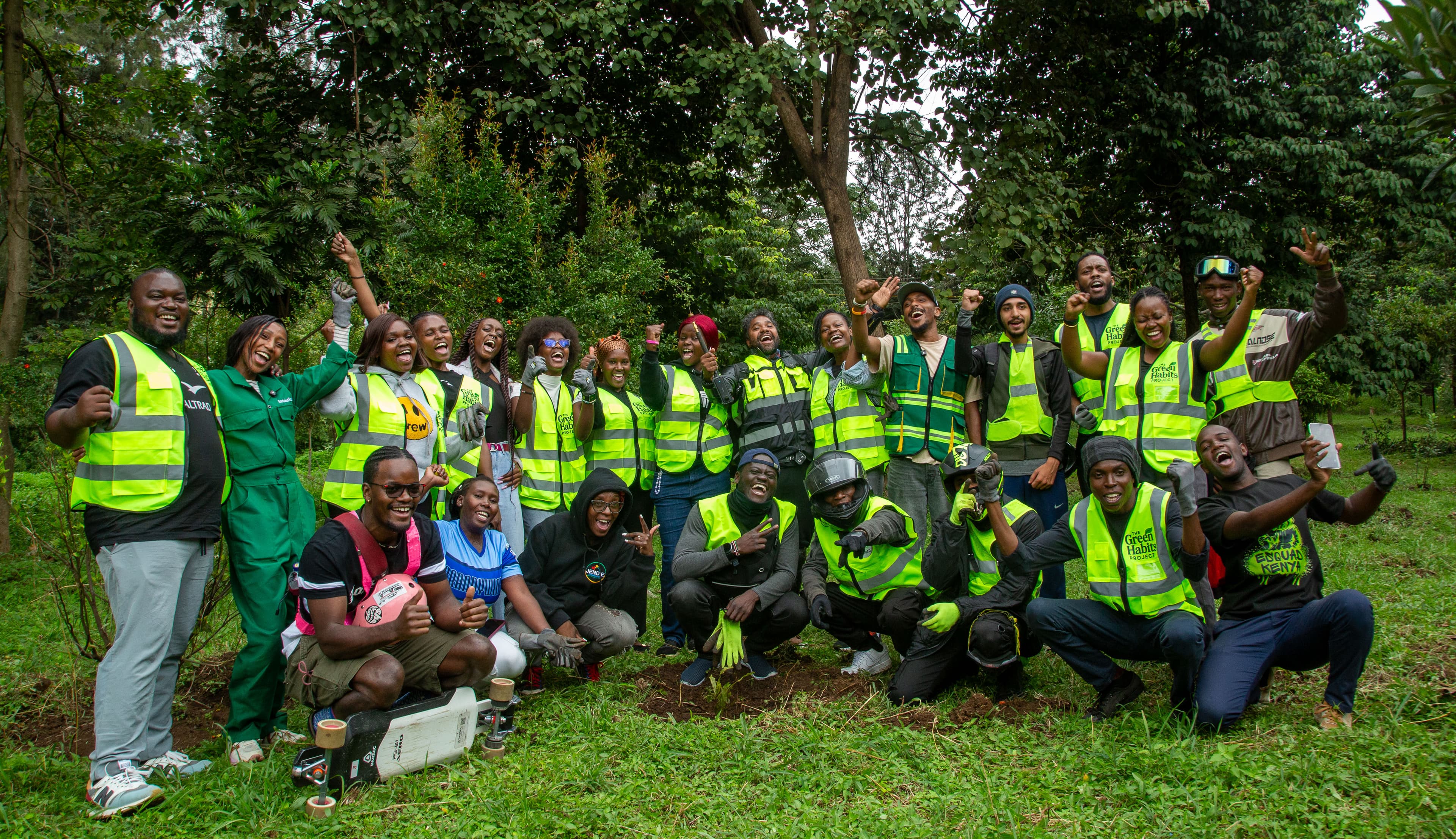
Photo: Green Habits community members standing together outdoors in Nairobi
What if I told you that you are probably already making sustainable choices without even realizing it? Living sustainably has somehow earned a reputation for being expensive, complicated, and reserved for people who have their lives together. I believe sustainability starts with something much simpler: the everyday choices we make. You do not need to change your entire lifestyle overnight. Sometimes, all it takes is swapping one habit for another.
Here are five green habits worth keeping.
1. Your Water Bottle Is Doing More Than Keeping You Hydrated
Think about how many plastic water bottles you buy in a week. Now multiply that by 52. That is potentially hundreds of bottles a year from just one person!
The swap: Carry a reusable water bottle and refill it whenever you can. You will save money, stay hydrated, and reduce your contribution to single-use plastic waste. You do not need a fancy new bottle; the one sitting in your cupboard works perfectly.
2. That Shopping Bag Deserves Another Trip
We have all been there. You get to the supermarket, realize you forgot your shopping bag, and end up buying another one. Sound familiar?
The swap: Keep reusable shopping bags in your handbag, backpack, or car. Better yet, reuse the bags you already own until they genuinely cannot be used anymore.
3. Less Packaging, Please!
Since when did fresh vegetables need their own single-use plastic containers? Supermarkets, we are buying carrots, not unboxing gadgets. Not everything needs extra packaging.
The swap: Choose loose produce and biodegradable packaging like paper, or carry reusable produce bags. Paper is not automatically better than plastic, either. Reducing unnecessary packaging and reusing what you have should always come first.
4. Grow Something You Can Eat
Imagine walking outside and picking fresh spinach, sukuma wiki, or dhania for dinner. Besides being incredibly satisfying, growing some of your own food can reduce packaging and trips to the shop.
The swap: Start a small kitchen garden. If you have no backyard, reuse a container on your balcony or windowsill to grow a few herbs.
5. Rethink How You Move
If you live in Nairobi, you probably take bodas more often than you would like to admit. Electric boda bodas produce no tailpipe emissions, and their fares are often lower than petrol bodas.
The swap: Next time, choose an electric boda boda if it is available. It is a win-win for cleaner air and your fare.
The Little Things Add Up
Here is the thing about sustainability: you do not have to do everything to make a difference. The small choices count. So before you rush out to buy the latest eco-friendly product, look around. Chances are, you already have what you need to start.
Join our community of Eco Warriors as we make sustainable living a little easier, one habit at a time.
Sidney Nyokabi
Founder & Community Lead at Green Habits Project. Committed to field-tested regenerative practices, community forest restoration, and circular living.
Highlights from the Karura Forest Volunteer Tree Drive: 100 Saplings, One Soil
Over forty volunteers gathered on Saturday morning at Karura Forest to plant 100 indigenous saplings, transforming degraded trail edges into self-sustaining native corridors.
Have a local environmental habit or cleanup story to share?
We regularly amplify citizen scientists, balcony composters, student nurseries, and neighborhood cleanup crews across Kenya. If your community is getting its hands in the soil, we want to publish your field notes.